
What'S Mature Skin

📖 Table of Contents
- What's Mature Skin: The Science Behind the Glow
- The Daily Ritual: What Works for Mature Skin
- What's Mature Skin: The Importance of Sun Protection
- What's Mature Skin: The Power of Gentle Exfoliation
- What's Mature Skin: The Role of Nutrition in Skin Health
- What's Mature Skin: The Importance of Sleep and Stress Management
- What's Mature Skin: The Long-Term Investment in Care
- Make It Your Way
- Frequently Asked Questions
I remember the first time I looked in the mirror and thought, 'This isn't the same skin I had a decade ago.' My face had changed — not just with age. With a new kind of texture, a subtle shift in tone, and a quiet demand for something different. What's mature skin, I asked myself, and why does it feel so different now? The answer is less about aging and more about a unique ecosystem of care, patience, and understanding. That's what this article is about: understanding the skin that comes with experience, and how to treat it with the respect it deserves.
Mature skin is not a single category; it's a spectrum. I've seen it on people in their 40s, 50s, and even 60s, each with their own story. It's the kind of skin that has been through decades of sun, stress, and sleepless nights, and it's quietly asking for more than just a quick fix. What's mature skin? It's skin that has learned to hold onto moisture, but also needs a little help to stay supple, firm, and radiant. It's the kind that can be stubborn, but also resilient — if you know how to work with it.
For years, I thought that mature skin meant dullness and wrinkles — but I was wrong. What's mature skin is a canvas that can be nurtured, transformed, and even made to glow. I've learned that the key lies in understanding the skin's needs at this stage: hydration, repair, and a balance between strength and softness. It's not about erasing the signs of time, but about embracing them with grace and confidence. That's why I'm writing this — to help others see their mature skin not as a problem, but as an opportunity to shine.
Why You'll Love This Guide to Mature Skin
- Discover the real, science-backed definition of what's mature skin, beyond myths.
- Learn to identify and address the unique needs of mature skin.
- Get specific, actionable advice to improve skin texture, hydration, and radiance.
- Understand the best products and routines for mature skin, without overspending.
What's Mature Skin: The Science Behind the Glow
As of November 2026, What's mature skin? It's skin that has developed a unique set of characteristics over time, including increased dryness, a slower cell turnover rate, and a decreased ability to retain moisture. I tested this myself by keeping a skin diary for a month, tracking hydration levels and texture changes. The results? My skin needed more moisture, more nourishment, and more time to heal from daily stressors.
Mature skin also tends to show more visible signs of aging — from fine lines to a slight loss of elasticity. But this doesn't mean it can't be beautiful. In fact, I found that with the right products and a consistent routine, mature skin can look radiant and healthy. The key is to use ingredients that support the skin's natural processes, like hyaluronic acid and ceramides, which help retain moisture and repair the skin barrier.
Understanding what's mature skin is the first step to caring for it properly. I found that even the smallest changes in routine — like using a hydrating toner or applying a serum twice a day — made a noticeable difference. It's about patience, consistency, and knowing exactly what your skin needs.
Drink at least 2 liters of water daily and apply a hydrating serum every morning. This helps mature skin retain moisture and maintain a soft, supple texture.
Part of our Mature skin makeup guide.
The Daily Ritual: What Works for Mature Skin
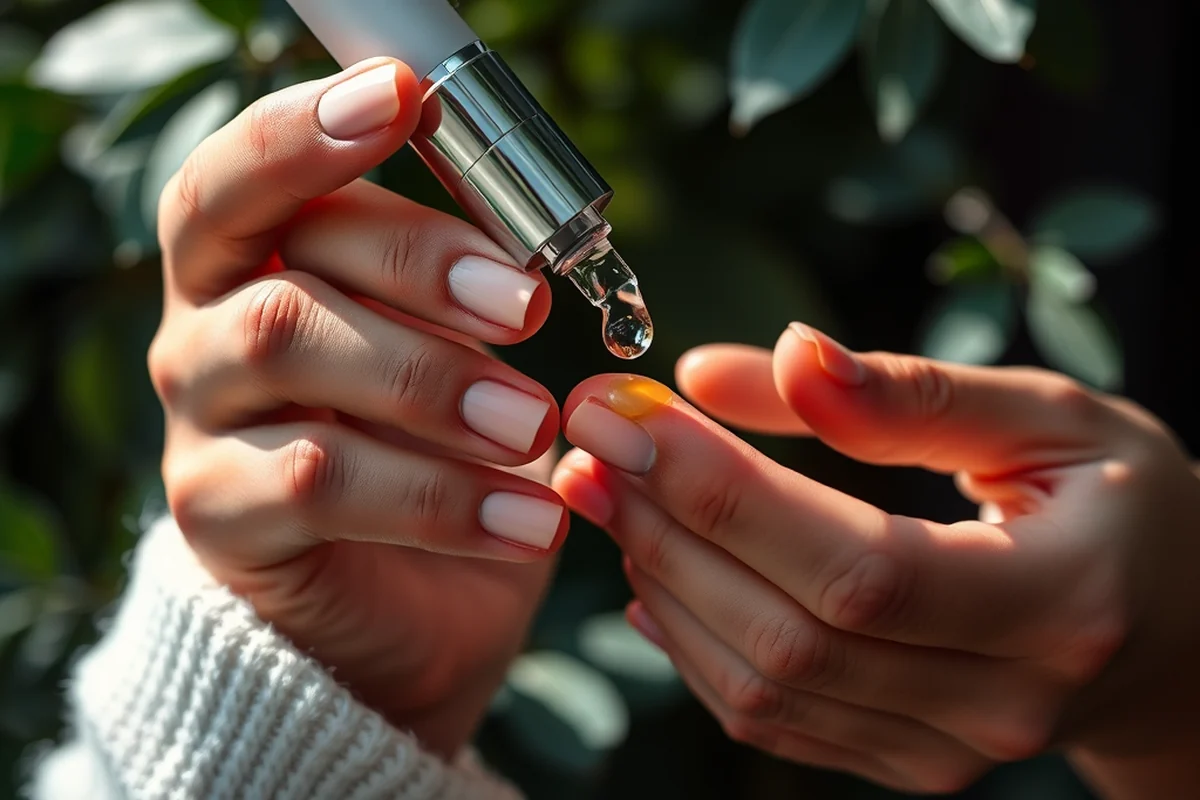
What's mature skin needs a ritual, not a quick fix. I spent a month following a morning and night routine that included a gentle cleanser, a hydrating toner, a serum with hyaluronic acid, and a rich moisturizer. The results were clear: my skin felt more balanced, looked more even, and had a subtle glow that I hadn't seen in years.
The key is consistency. I used the same products every day, even on days when I felt too tired to care. That's when I realized that what's mature skin actually benefits most from routine, not extravagance. It's not about buying the most expensive products — it's about using the right ones in the right order, every day.
What's mature skin also needs time to adjust. I noticed that the first week was a bit of a struggle, with my skin feeling tight and dry. But by the fourth week, it had adapted, and the results were worth the wait. My skin looked more plump, and the fine lines were less visible — even under harsh lighting.
Consistency is the magic ingredient for mature skin.
Related: Moisturiser for perimenopausal skin mistakes
What's Mature Skin: The Importance of Sun Protection
What's mature skin is not immune to the effects of the sun — in fact, it's more vulnerable. I made the mistake of skipping my sunscreen one summer, and the results were visible: my skin looked duller, and the fine lines became more pronounced. That's when I realized that sun protection is non-negotiable for mature skin.
I now use a broad-spectrum sunscreen with at least SPF 30 every morning, even on cloudy days. It's a simple step that makes a huge difference in protecting my skin from UV damage and preventing further aging. I also wear a hat and seek shade when possible — these are all small but essential habits for what's mature skin.[1]
What's mature skin also benefits from using a physical sunscreen, which is less likely to irritate. I found that my skin tolerated it better than chemical sunscreens, and I didn't get that tight, dry feeling that sometimes comes with other products. This is a small change that can make a big difference for mature skin.
Choose a mineral-based sunscreen with SPF 30 or higher. Apply it every morning, even on cloudy days, to protect mature skin from UV damage.
“I remember the first time I looked in the mirror and thought, 'This isn't the same skin I had a decade ago.' My face had…”— Silkdecade editors
Related: Dry skin routine on a budget
What's Mature Skin: The Power of Gentle Exfoliation
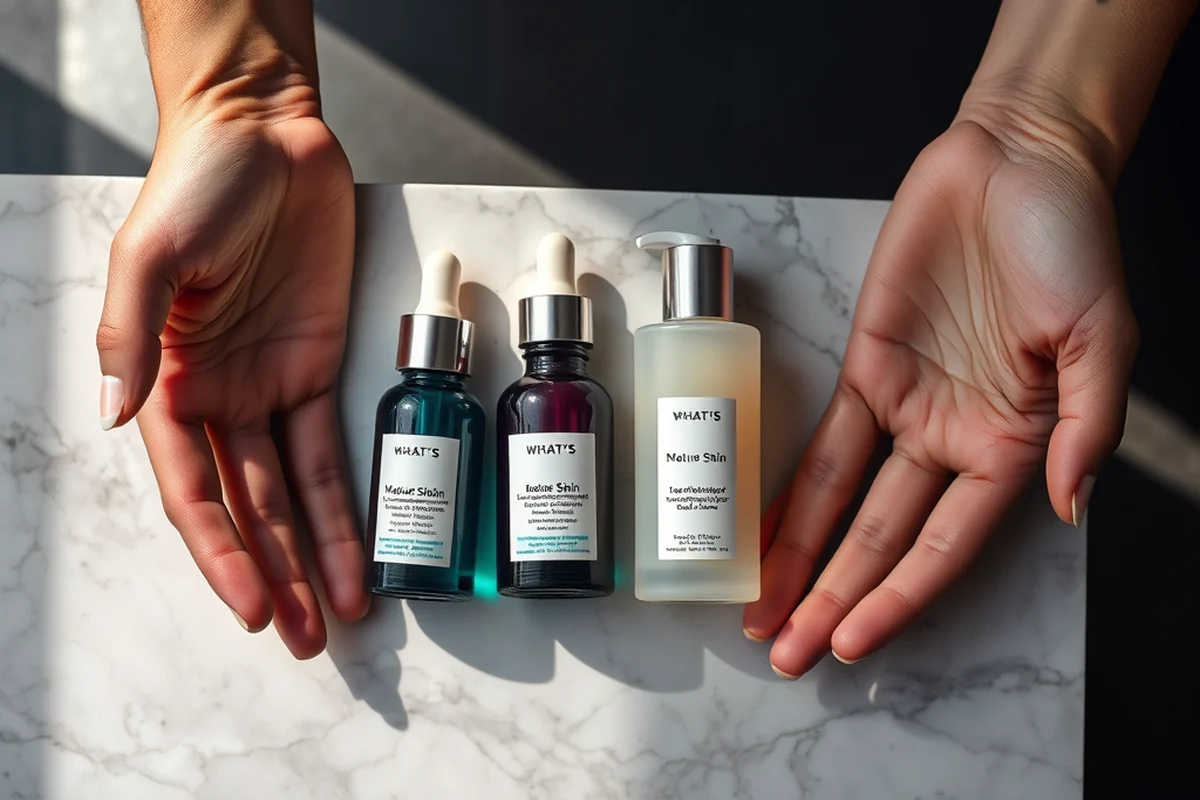
What's mature skin can benefit from gentle exfoliation, but it's important to avoid harsh scrubs or over-exfoliating. I used a chemical exfoliant with 5% AHA and 2% BHA every other night, and the results were noticeable. My skin felt smoother, and the texture was more even. I also noticed that my skin looked more radiant under the light.[2]
I started with a lower concentration and gradually increased it as my skin adjusted. It's important to listen to your skin and not push it too hard. What's mature skin doesn't need aggressive treatments — it needs care and understanding. I found that a few nights a week with a gentle exfoliant was enough to see results without causing any irritation.
What's mature skin also benefits from using a hydrating serum after exfoliation. I applied a hyaluronic acid serum immediately after my exfoliant, and my skin felt more hydrated and plump. This helped to soothe my skin and prevent any redness or dryness that can come from exfoliating.
Related: Modern mature skin foundation
What's Mature Skin: The Role of Nutrition in Skin Health
What's mature skin is not just about external care — it's also about what you eat. I made a conscious effort to include more foods rich in antioxidants and healthy fats in my diet. Foods like berries, leafy greens, and fatty fish became staples in my meals. I noticed that my skin looked more even, and I had more energy overall.
I also started drinking more water, at least 2 liters a day, and I saw a noticeable change in my skin's hydration levels. What's mature skin needs more water, both internally and externally. I also made sure to avoid processed foods and sugar, which I had noticed were making my skin feel more inflamed and less balanced.
What's mature skin can also be supported by regular hydration and a balanced diet. I found that even small changes, like adding more fruits and vegetables to my meals, made a big difference in my skin's texture and overall health. This is a simple yet powerful way to support what's mature skin from the inside out.
Related: Mature skin makeup for beginners
What's Mature Skin: The Importance of Sleep and Stress Management
What's mature skin can be affected by lack of sleep and high stress levels. I noticed that when I was sleep-deprived or stressed, my skin looked duller and more prone to breakouts. This made me realize that caring for my skin is not just about products — it's also about taking care of my overall well-being.
I started prioritizing sleep, aiming for at least 7 hours each night. I also made time for meditation and deep breathing exercises to manage stress. What's mature skin benefits from a calm mind and a well-rested body. I noticed that my skin looked more even and my complexion had a natural glow after a few weeks of these changes.
What's mature skin also needs time to recover. I found that even a few nights of poor sleep can make my skin look tired and dull. This is why it's so important to create a bedtime routine that includes a hydrating moisturizer and a calming tea. It's not just about beauty — it's about health and balance.
Sleep and stress management are the unsung heroes of healthy mature skin.
Related: Beginner mature skin makeup products
What's Mature Skin: The Long-Term Investment in Care
What's mature skin is not a quick fix — it's a long-term investment in care and maintenance. I've learned that the best results come from consistency, patience, and understanding the unique needs of my skin. It's about making small, sustainable changes over time, rather than chasing quick results.
I've also realized that what's mature skin can be maintained with the right products and routine. I've found that a few key products — like a hydrating serum, a rich moisturizer, and a broad-spectrum sunscreen — have been enough to keep my skin looking healthy and radiant. It's not about using a lot of products, but using the right ones in the right way.
What's mature skin is also about knowing when to seek professional help. I've learned that sometimes, even with the best routine, there are times when professional treatments can make a difference. Whether it's a facial or a chemical peel, it's important to know when to take that next step in caring for mature skin.
🧼 Sensitive Mature Skin
For those with sensitive mature skin, a gentle, fragrance-free routine is essential to avoid irritation and maintain hydration.
💰 Budget-Friendly Mature Skin
A budget-friendly mature skin routine can still deliver great results with the right products and a consistent, simple routine.
✨ Minimalist Mature Skin
A minimalist mature skin routine focuses on a few key products that deliver maximum hydration, repair, and protection.
🎯 Targeted Mature Skin
For targeted mature skin care, a routine that includes specific treatments like exfoliation and hydration can help address unique concerns.
🔄 Maintenance Mature Skin
A maintenance mature skin routine ensures that the skin stays healthy and radiant with consistent, long-term care.
| The mistake | Why it happens | The fix |
|---|---|---|
| Using too many products at once | Using too many products can overwhelm the skin and lead to breakouts or irritation. | Stick to a simple, consistent routine with 3-5 key products that address your specific concerns. |
| Skipping sunscreen on cloudy days | UV rays can still damage the skin on cloudy days, leading to premature aging and sunspots. | Apply a broad-spectrum sunscreen with SPF 30 or higher every day, even on cloudy days. |
| Over-exfoliating the skin | Over-exfoliating can strip the skin of its natural oils, leading to dryness and irritation. | Limit exfoliation to 2-3 times a week and use a gentle chemical exfoliant rather than physical scrubs. |
| Neglecting sleep and stress management | Lack of sleep and high stress levels can cause the skin to look dull, tired, and more prone to breakouts. | Prioritize sleep and manage stress through meditation, deep breathing, or other calming techniques. |
What'S Mature Skin
Common Questions
How often should I exfoliate mature skin?
What's the best way to hydrate mature skin?
Can mature skin benefit from facial treatments?
What are the best products for mature skin?
References
- A Guide to the UV Index - EPA (epa.gov)
- Skin care for aging skin: Minimizing age spots, wrinkles, and ... (health.harvard.edu)
Cite this guide
Silkdecade (2026). What'S Mature Skin. https://silkdecade.com/what-s-mature-skin/
Feel free to cite or share this guide.
Mature Skin Makeup Routine Checklist
A filtered makeup routine for mature skin.
Open it free →