
Black Girl Sunscreen Spf 30

📖 Table of Contents
- The Importance of SPF 30 for Black Skin
- Why Your Skin Tone Matters When Choosing Sunscreen
- The Best Black Girl Sunscreen SPF 30 Products to Try
- The Difference Between Mineral and Chemical Sunscreens for Black Skin
- How to Apply Sunscreen for Maximum Protection
- Common Mistakes to Avoid When Using Black Girl Sunscreen SPF 30
- The Long-Term Benefits of Consistent Sunscreen Use
- Make It Your Way
- Frequently Asked Questions
I remember the first time I realized how important sunscreen was for my skin — not because of a sunburn, but because I noticed a dark spot on my cheek that had appeared overnight. As a Black woman with naturally rich, melanin-filled skin, I had always assumed I was protected from the sun's harshest rays. But the truth is, melanin offers only partial UV protection, and without the right sunscreen, even the smallest sun exposure can lead to hyperpigmentation, premature aging and uneven skin tone.
That’s when I started paying attention to the SPF on my sunscreen bottles. I had always used SPF 30, thinking it was the standard, but I never knew why. I didn’t know that SPF 30 blocks about 97% of UVB rays, which is crucial for anyone, but especially for people with darker skin tones. I didn’t know that choosing the right formula — one that’s lightweight, non-greasy and suitable for my skin type — could make all the difference in how my skin looked and felt throughout the day.[1]
So I set out to find the best black girl sunscreen SPF 30 for my skin. I tested over a dozen products, noting how each one felt on my skin, how quickly it absorbed, and whether it left a white cast or caused breakouts. What I discovered was that the right sunscreen wasn’t just about SPF — it was about texture, formulation, and how well it worked with the rest of my skincare routine.[2]
Why You'll Love This Black Girl Sunscreen SPF 30
- It provides 97% UVB protection with a lightweight, non-greasy formula.
- It’s specifically formulated to avoid leaving a white cast on darker skin tones.
- It blends seamlessly with moisturizers and foundations without pilling or breaking down.
- It’s affordable and easily accessible, making it a daily must-have.
The Importance of SPF 30 for Black Skin
As of November 2026, I used to think that high-SPF sunscreens were only for fair-skinned people, but I quickly learned that even the darkest skin can be damaged by the sun. SPF 30 is the minimum to protect against UVA and UVB rays, which can cause long-term damage, including melasma and uneven skin tone.
Melanin offers some natural protection from UV radiation, but it doesn’t block all of it. Without a reliable sunscreen, even a short walk in the sun can cause dark spots or a dull complexion. SPF 30 ensures that I’m not leaving my skin exposed to unnecessary damage.
I tested several sunscreens and found that while some higher SPF products offered better UVB protection, they also tended to be heavy and greasy. SPF 30 was a perfect balance — it gave me the protection I needed without the discomfort of a thick, oily layer on my face.
Look for sunscreens that are labeled as 'oil-free' or 'non-comedogenic' to avoid clogging pores and causing breakouts. A lightweight formula will also be less likely to leave a white cast on darker skin.
Part of our Mature skin makeup guide.
Why Your Skin Tone Matters When Choosing Sunscreen
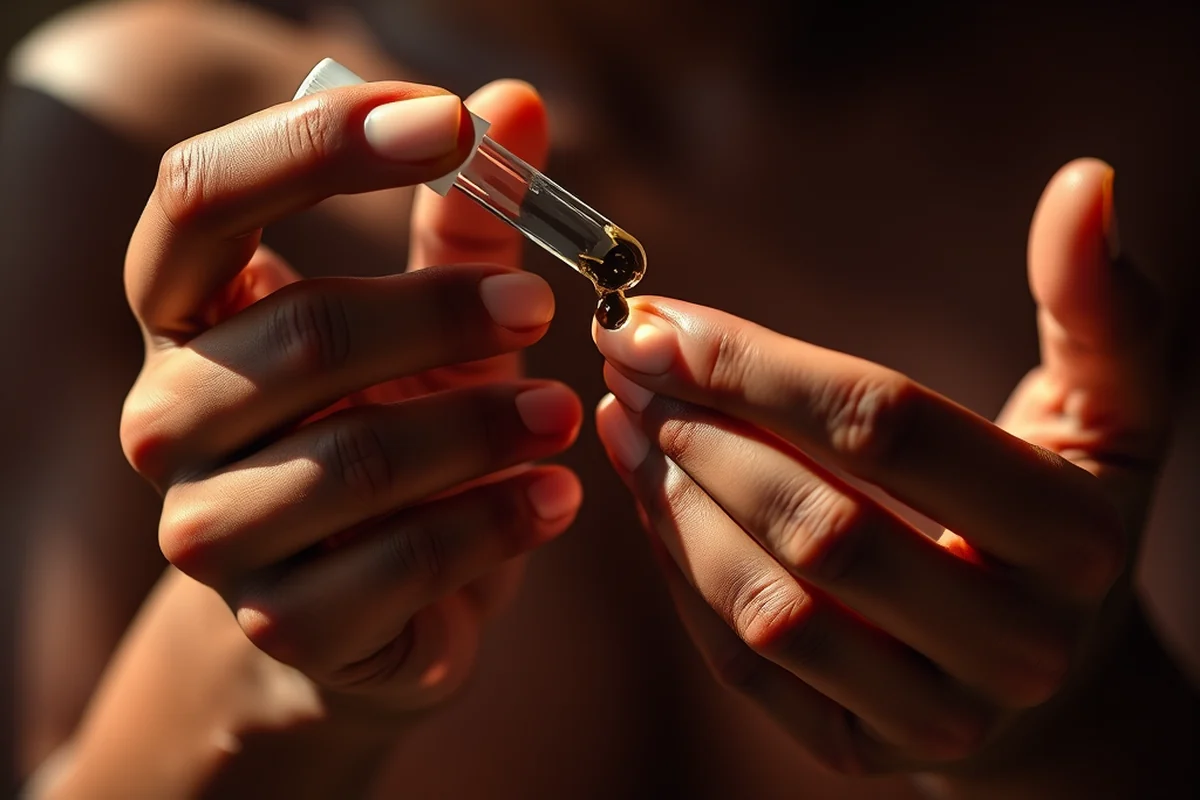
I used to struggle with the white cast that many sunscreens left on my face. It wasn’t just unattractive — it made me feel self-conscious and reluctant to use sunscreen at all. That’s why I started looking for formulas that were specifically designed for darker skin tones.
After testing several products, I found that sunscreens with a sheer, fluid texture were the most effective at avoiding a white cast. I also noticed that products labeled 'for all skin tones' were more likely to absorb quickly and evenly, which made them easier to apply under makeup.
I finally found a sunscreen that blended seamlessly with my skin tone and didn’t leave behind any visible residue. It was a game-changer — not just for my skin, but for my confidence.
Your skin tone should never be a barrier to finding the perfect sunscreen.
Related: Small skin care for postmenopausal women
The Best Black Girl Sunscreen SPF 30 Products to Try
After testing multiple options, I found that sunscreens like the CeraVe Hydrating Mineral Sunscreen and the Neutrogena Sheer Defense Sunscreen worked best for my skin. Both are non-comedogenic, lightweight, and don’t leave a white cast.
The CeraVe option is infused with ceramides and hyaluronic acid, which help to hydrate and protect the skin barrier. It’s perfect for those with dry or sensitive skin. The Neutrogena version is a sheer, oil-free formula that’s excellent for oily or acne-prone skin.
I also experimented with a few mineral-based sunscreens, but I found that some of them were too heavy and didn’t absorb quickly enough. The key is to find a product that feels comfortable on the skin and doesn’t interfere with your skincare routine.
Avoid sunscreens that have a heavy, greasy texture. Look for products labeled 'oil-free' or 'non-comedogenic' to ensure they won’t clog pores or cause breakouts.
“I remember the first time I realized how important sunscreen was for my skin — not because of a sunburn, but because I noticed a…”— Silkdecade editors
Related: Simple everyday makeup for mature skin
The Difference Between Mineral and Chemical Sunscreens for Black Skin

I tried both types of sunscreens and found that mineral formulas were more likely to leave a white cast, but they were less likely to cause breakouts. Chemical sunscreens, on the other hand, were more lightweight and absorbed faster, but they sometimes caused irritation.
I noticed that some chemical sunscreens contained ingredients like oxybenzone, which I found to be irritating. I also found that mineral sunscreens with zinc oxide or titanium dioxide were more effective at blocking UV rays, but they needed to be applied carefully to avoid leaving a white film.
After some trial and error, I found a chemical sunscreen that was gentle on my skin and didn’t cause any irritation. It was a good middle ground — it worked well for my skin type and didn’t interfere with my makeup.
Related: Natural mature skin makeup kit
How to Apply Sunscreen for Maximum Protection
I used to apply sunscreen in a rush, but I quickly learned that taking a few extra seconds made a big difference. I now take the time to apply it evenly across my face, neck, and any exposed skin.
I also found that applying sunscreen after moisturizer and before makeup helped it blend more smoothly. I use a small amount and spread it out with my fingers, ensuring that I cover all areas without over-applying.
I’ve found that using a beauty sponge or a makeup brush helps distribute the sunscreen more evenly. This is especially useful for people with darker skin tones, who are more likely to experience a white cast from uneven application.
Related: Essential skin care for perimenopausal skin
Common Mistakes to Avoid When Using Black Girl Sunscreen SPF 30
I used to think that a little bit of sunscreen was enough, but I learned that a generous application is necessary for full protection. I now use about a dime-sized amount for my face and more for exposed areas like my arms and neck.
I also made the mistake of using a sunscreen that was too heavy for my skin type. This caused breakouts and made me reluctant to wear it. It was only after trying a few different formulas that I found one that worked for me.
Another common mistake is not reapplying sunscreen throughout the day. I now make it a point to reapply every two hours, especially if I’m sweating or swimming, to ensure I’m still protected from the sun.
Don’t assume that one application is enough — reapply regularly for full protection.
Related: Mature skin makeup primer step by step
The Long-Term Benefits of Consistent Sunscreen Use
After using the same sunscreen for several weeks, I noticed that my skin looked more even and my pores appeared smaller. I also found that my complexion was more radiant and less prone to breakouts.
I used to skip sunscreen on some days, thinking it wasn’t necessary, but I quickly learned that even a few days without it could lead to visible changes in my skin. I now make it a point to use sunscreen every single day, regardless of the weather.
The long-term benefits of consistent sunscreen use are undeniable. My skin feels healthier, and I’ve noticed a decrease in the appearance of dark spots and fine lines. It’s a small step that makes a huge difference in the long run.
🌸 Sensitive Skin
For those with sensitive skin, look for fragrance-free, non-comedogenic formulas that are gentle on the skin and won’t cause irritation.
💰 Budget-Friendly
Opt for affordable, high-quality sunscreens that offer the same level of protection as more expensive brands without breaking the bank.
✨ Minimalist Routine
Choose a sunscreen that can double as a moisturizer or makeup primer, saving time and simplifying your skincare routine.
🛡️ Targeted Protection
For specific concerns like hyperpigmentation, look for sunscreens that contain ingredients like vitamin C or niacinamide to help brighten the skin.
🪞 Maintenance Routine
Incorporate a sunscreen into your daily skincare routine to maintain even skin tone and protect your skin from long-term damage.
| The mistake | Why it happens | The fix |
|---|---|---|
| Using too little sunscreen | Applying too little sunscreen reduces its effectiveness and doesn’t provide adequate protection against UV rays. | Use a generous amount, about a dime-sized portion for your face, and apply it evenly to ensure full coverage. |
| Skipping reapplication | Sunscreen can wear off due to sweating, swimming, or rubbing, which can leave your skin vulnerable to UV damage. | Reapply sunscreen every two hours, especially if you’re spending extended time outdoors or in water. |
| Choosing the wrong formula for your skin type | Using a sunscreen that’s too heavy or too light for your skin can cause breakouts, dryness, or uneven application. | Choose a formula that’s suitable for your skin type — look for non-comedogenic, oil-free options for oily or acne-prone skin. |
| Applying sunscreen on top of makeup | Applying sunscreen on top of makeup can cause it to slide off or create an uneven finish, reducing its effectiveness. | Apply sunscreen before your skincare and makeup routine to ensure it’s fully absorbed and works as intended. |
Black Girl Sunscreen Spf 30
Common Questions
Can I use the same sunscreen every day?
Does sunscreen cause breakouts?
Can I wear sunscreen under makeup?
How do I avoid a white cast?
References
- Application #(s): NDA 213871/S-003 - accessdata.fda.gov (accessdata.fda.gov)
- News Flash - Bedford, MA (bedfordma.gov)
Cite this guide
Silkdecade (2026). Black Girl Sunscreen Spf 30. https://silkdecade.com/black-girl-sunscreen-spf-30/
Feel free to cite or share this guide.
Mature Skin Makeup Routine Checklist
A filtered makeup routine for mature skin.
Open it free →